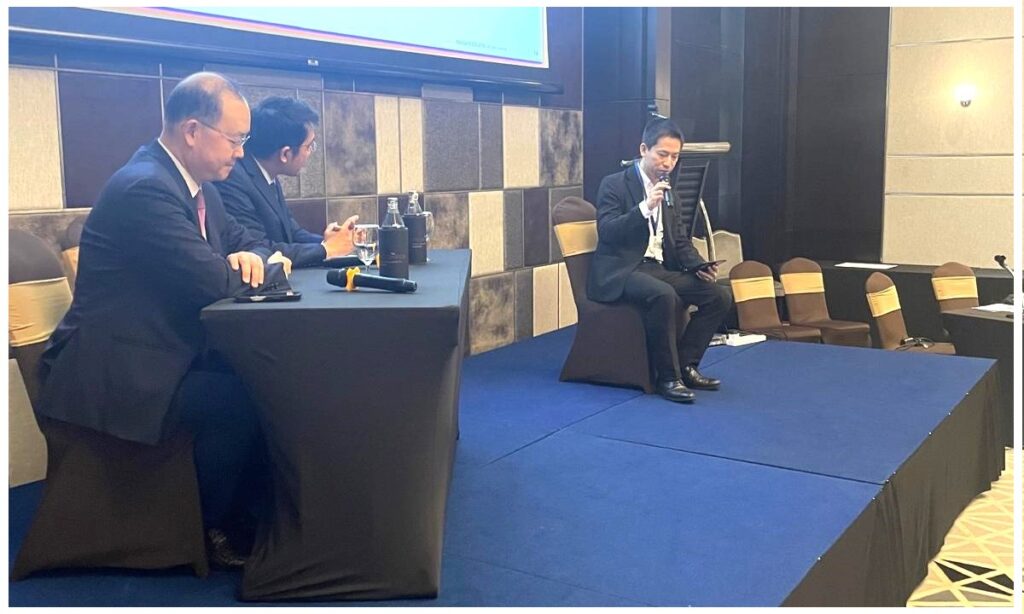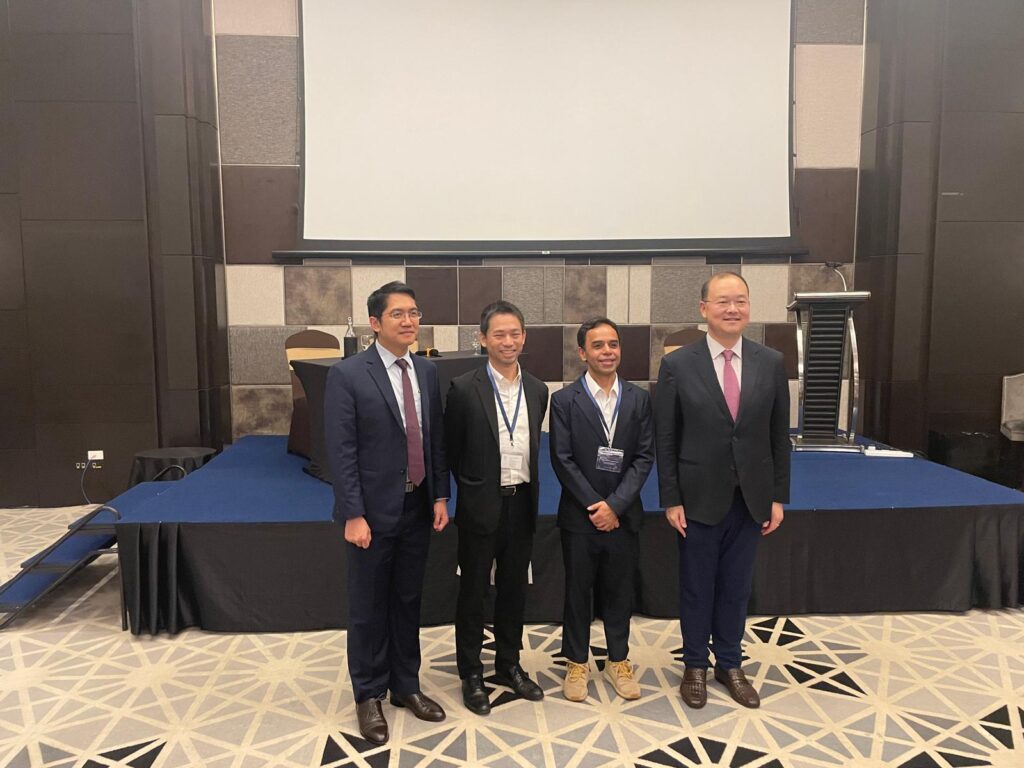

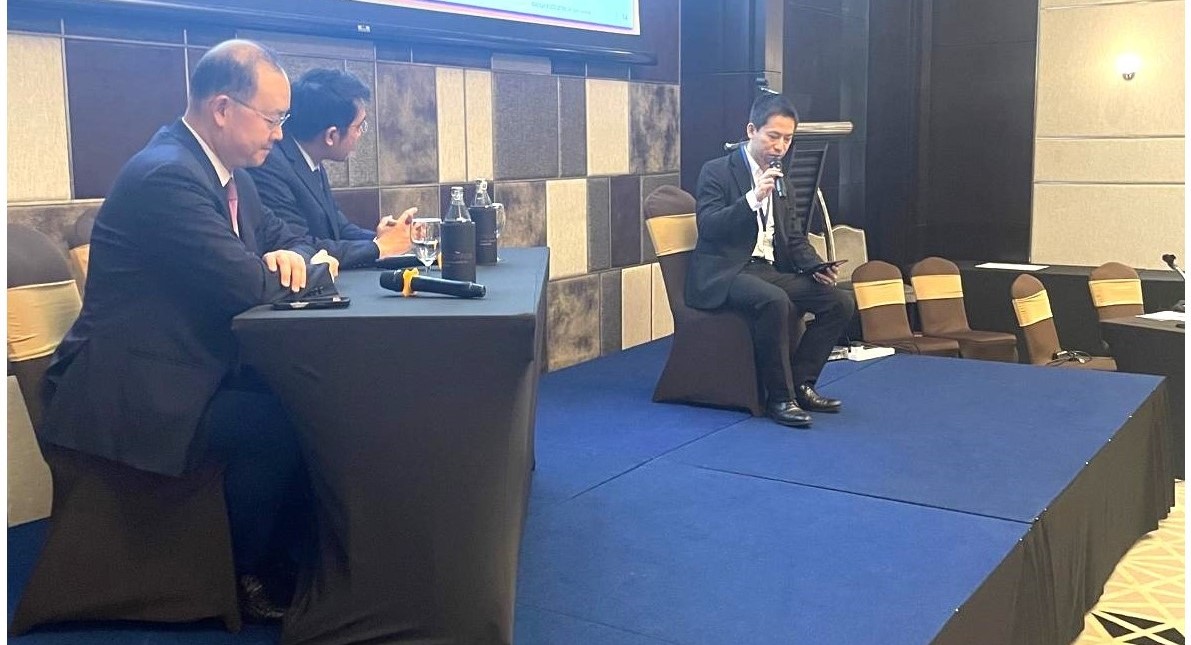
On July 3, 2025, IGPI Singapore co-hosted a high-level business dialogue in Bangkok titled “Business Strategies in the Age of Geopolitical Risk and Sustainability: Rethinking Strategy and Collaboration with Japanese Enterprises.”
The event welcomed nearly 50 participants, including senior leaders from Japanese and Thai corporations, public-sector agencies, and partner organizations.
At the heart of the event was a compelling panel discussion moderated by a member of IGPI Singapore. The panel featured Mr. Marty Sinthavanarong, SVP, Head of International Business and Special Projects at Gulf Energy Development, and Mr. Angsutorn Wasusun (Jom), Director of the Bio-Circular-Green Economy Division at the Eastern Economic Corridor (EEC).
The discussion centered on three interrelated themes – geopolitical shifts, sustainability imperatives, and Thai-Japanese collaboration– but it ultimately converged on one single message: In a world marked by uncertainty, Thai-Japanese partnerships grounded in co-creation, shared purpose, and long-term thinking are critical for building business resilience and driving sustainable growth.
Navigating geopolitical complexity with strategic clarity
The panel highlighted how shifting geopolitical dynamics, particularly escalating tensions among global powers – are reshaping corporate risk assessments and investment decisions. Companies are becoming increasingly cautious in politically sensitive markets, choosing instead to focus on regions offering greater long-term stability and neutrality.
Simultaneously, governments across ASEAN are accelerating efforts to deepen regional integration and diversify trade partnerships. By developing multilateral frameworks and strategic economic blueprints, countries in the region are working to buffer insulate themselves from external shocks while unlocking new intra-ASEAN and India-related business opportunities.
Moving from ESG compliance to competitive differentiation
The panelists also emphasized the evolving role of sustainability in corporate strategy. Once viewed primarily as a regulatory requirement, sustainability is now a core driver of competitive advantage, stakeholder trust, and brand reputation.
Companies are actively pursuing long-term decarbonization goals through renewable energy investments, strategic acquisitions, and technology partnerships, with growing recognition that sustainability strategy must be authentic, context-specific, and internally driven.
Thailand’s public sector is creating a favorable environment for this transition. Policies such as the Bio-Circular-Green (BCG) Economy, Thailand 4.0, and the new National Energy Plan signal the government’s strong push toward green transformation. The Eastern Economic Corridor (EEC) continues to be positioned as a leading hub for innovation, offering generous investment incentives for companies aligned with environmental and social goals.
Deepening cross-border collaboration for mutual growth
Thai-Japanese business collaboration, with a history spanning decades, is now entering a new phase, defined not just by joint ventures, but by co-investment, co-development, and co-creation.
Japanese companies contribute technology expertise, precision, and long-term commitment while Thai companies bring agility, local market insight, and a strong willingness to innovate. Together, these complementary strengths are enabling meaningful progress in areas such as green hydrogen, infrastructure, and digital transformation.
Beyond individual projects, bilateral strategic action plans are reinforcing these efforts at a national level, with collaboration across human capital development, regulatory reform, and sustainability initiatives.
Looking ahead
The dialogue reaffirmed a shared understanding: In today’s fragmented global landscape, collaboration built on trust, shared values, and mutual learning is the surest path forward.
Thai and Japanese enterprises, already closely aligned in culture and vision, are well positioned to lead ASEAN’s transition toward a more resilient and sustainable future.
[Photos from the session]
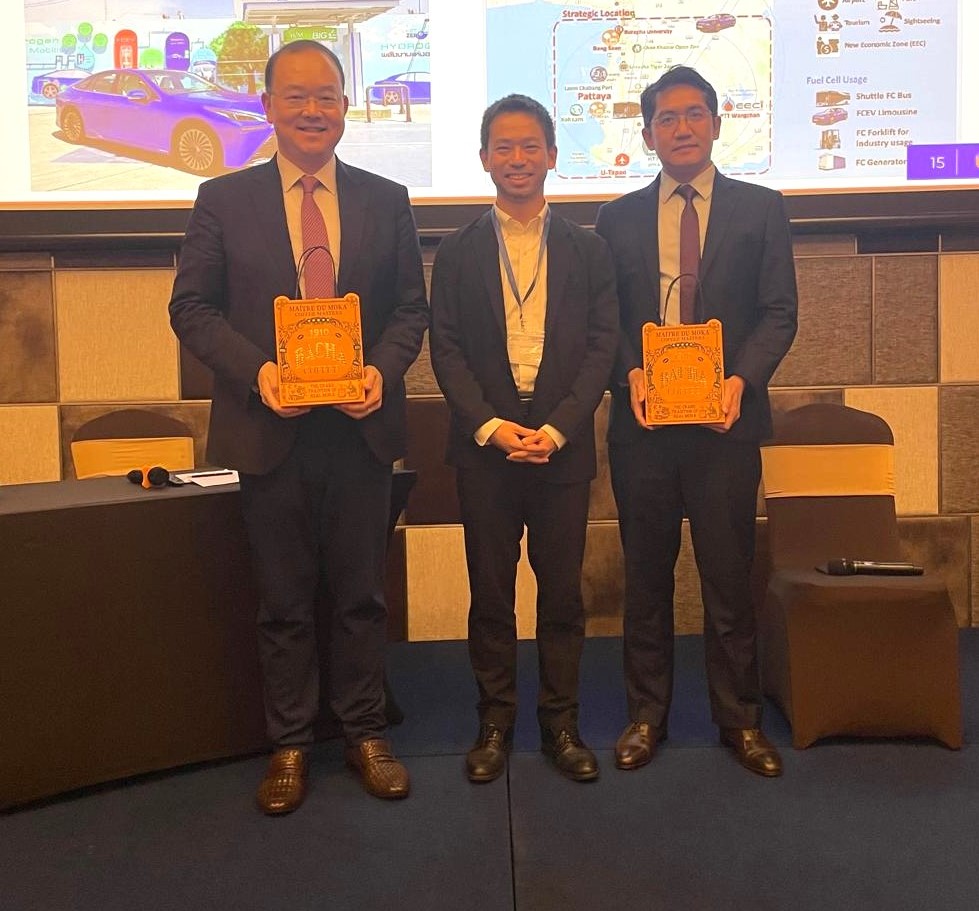
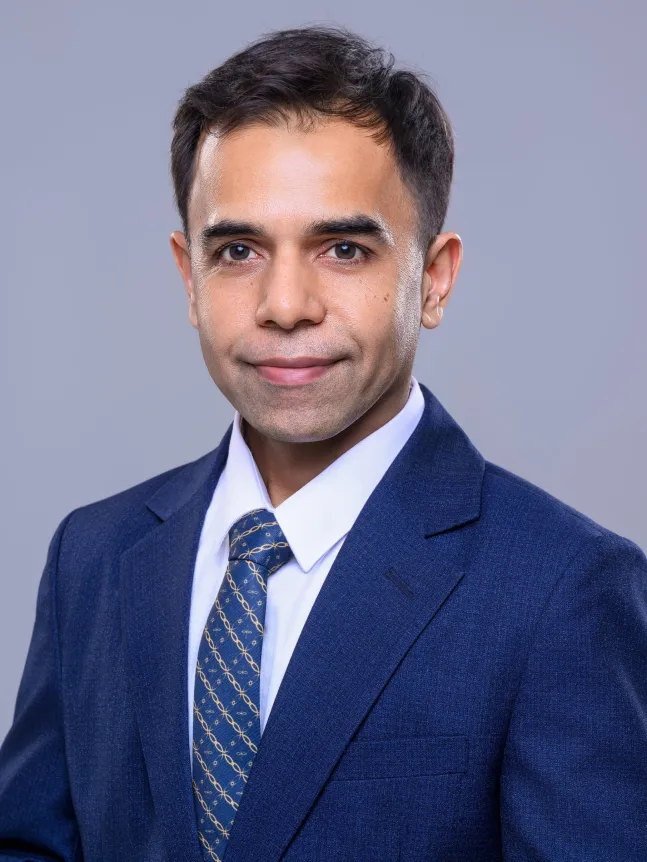
– Mr. Marty Sinthavanarong: SVP, Head of International Business and Special Projects at Gulf Energy Development
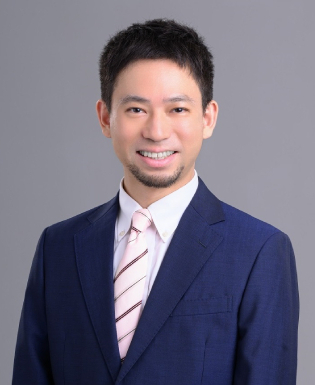
– Kohki Sakata: CEO of IGPI Singapore
– Mr. Angsutorn Wasusun (Jom): Director of the Bio-Circular-Green Economy Division at the Eastern Economic Corridor (EEC)