

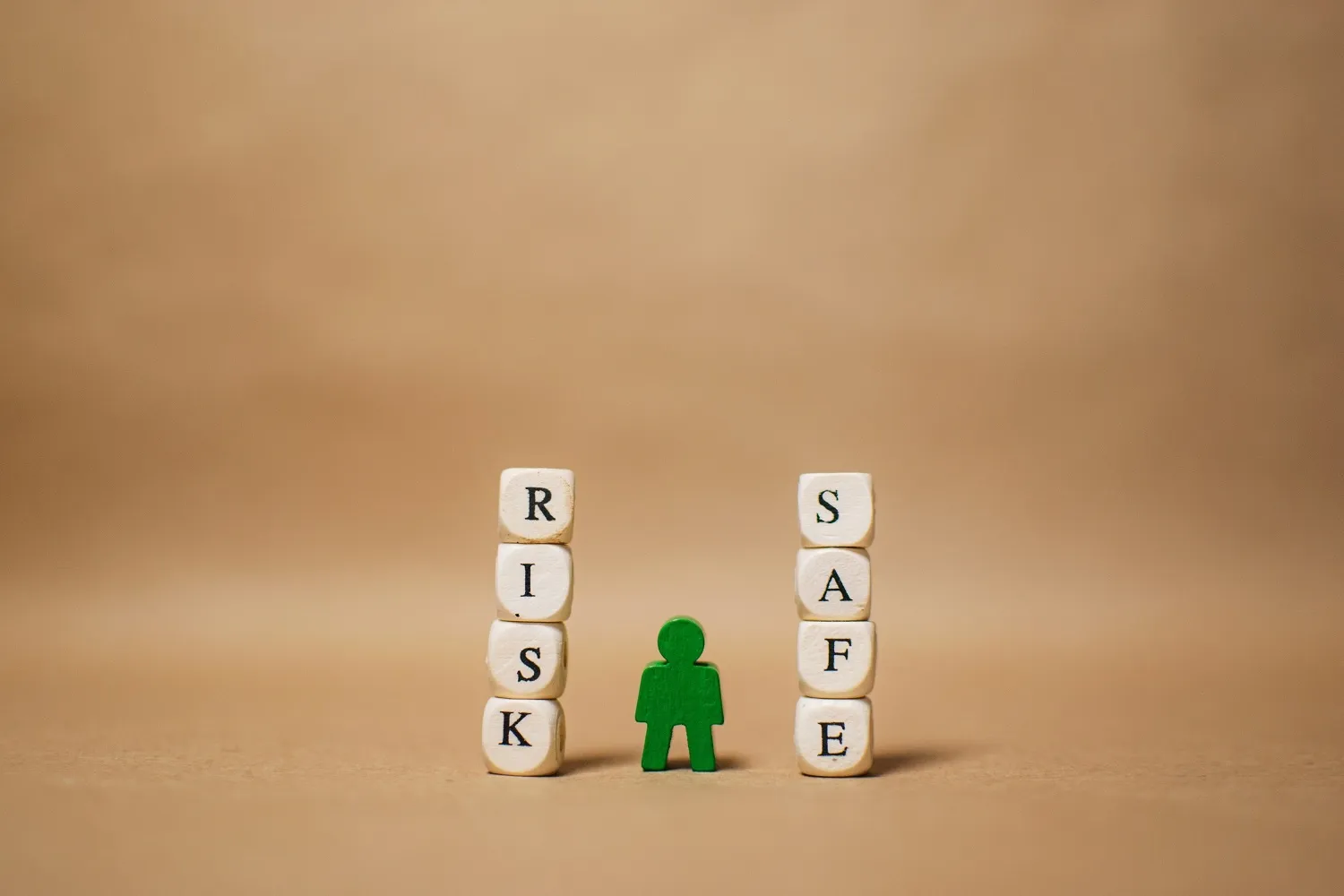
When Psychological Safety Becomes the Goal
Psychological safety has become an important management priority for many organizations. Yet efforts to strengthen psychological safety in the workplace do not necessarily lead to better retention or employee development.
Psychological safety is not about avoiding candid feedback or shielding people from failure. It provides the foundation for taking interpersonal risks: voicing a different perspective, raising questions openly, and acknowledging mistakes or gaps in one’s own knowledge. These are the conditions that allow people to learn, develop new capabilities, and take on greater challenges.
When avoiding criticism or discomfort becomes the objective, however, organizations can inadvertently remove opportunities for challenge and growth. Strengthening psychological safety should not mean lowering expectations or reducing the demands of the work.
What Employees Value at Work Is Evolving
What people value changes as societies develop. Japan offers one illustration. During the country’s period of rapid economic growth, material ownership became an important marker of aspiration, symbolized by the so-called “Three Cs”: cars, colour televisions, and air conditioners. As the economy matured, the emphasis increasingly shifted from what people owned to what they experienced, including travel and dining.
As material goods and experiences have become more widely accessible, what people value has continued to evolve, extending from what they own or experience to who they want to become. For some, this means using their strengths more fully; for others, contributing to work they find meaningful or building a career that brings them closer to the person they aspire to become.
This broader shift is also visible in how younger generations approach their careers. For younger professionals, including Gen Z, social media provides continuous visibility into the careers and achievements of peers around the world. At the same time, career paths increasingly extend beyond progression within a single organization to include job changes, independent work, and entrepreneurship. These conditions make it easier to evaluate a current role against a much wider set of alternatives.
Compensation, working conditions, and the nature of the work remain important, but they are increasingly considered alongside different questions: “What can I learn here?” “What capabilities can I develop?” and “Where could this experience take me next?”
This is not simply a matter of Gen Z valuing growth more than previous generations. Rather, as the environment surrounding work and career choice changes, the range of value people seek from their organizations is expanding.
Designing a Workplace for Both Psychological Safety and Challenge
As expectations of work evolve, creating a positive work environment alone is not enough to attract and develop talent. Organizations also need to create opportunities for growth: giving people greater responsibility as their capabilities develop, explaining the purpose and context behind their work, providing timely and specific feedback, and turning setbacks into opportunities for further development.
These practices do not conflict with psychological safety. A psychologically safe workplace where people can speak openly and ask for help gives them greater confidence to take risks, tackle difficult assignments, and learn through experience.
The risk arises when psychological safety is interpreted as a reason to avoid demanding assignments, withhold constructive feedback, or lower expectations. Such an environment may appear comfortable in the short term, but it can also deprive people of the experiences through which growth occurs.
For managers, safety and challenge should not be an either-or choice. They need to set clear expectations about what people are responsible for delivering while providing the support needed to succeed. When performance falls short, the focus should remain on the work, the actions taken, and what needs to change, rather than on assigning personal blame.
Maintaining this balance also depends on mutual understanding between managers and team members. When managers and team members understand one another’s values and perspectives, differences of opinion are less likely to be perceived as personal criticism. This, in turn, makes it easier to exchange views openly, even when those views conflict.
A psychologically safe organization is not one where safety depends on avoiding challenge. It is one where people feel secure enough to take on greater challenges. For organizations seeking to attract and retain younger talent, it is not enough to ask how to create a workplace people do not want to leave. They must also ask whether they are creating a workplace where people want to learn, develop, and grow.
How IGPI Can Help
As expectations of work evolve, organizations need to rethink how they attract, develop, and retain talent. Creating a positive work environment is important, but it must be accompanied by opportunities for people to take on meaningful challenges and grow.
IGPI helps organizations translate these changing expectations into management and organizational practices. By aligning roles, development opportunities, feedback, and support, we help organizations create the conditions in which high expectations and individual growth can reinforce one another.