

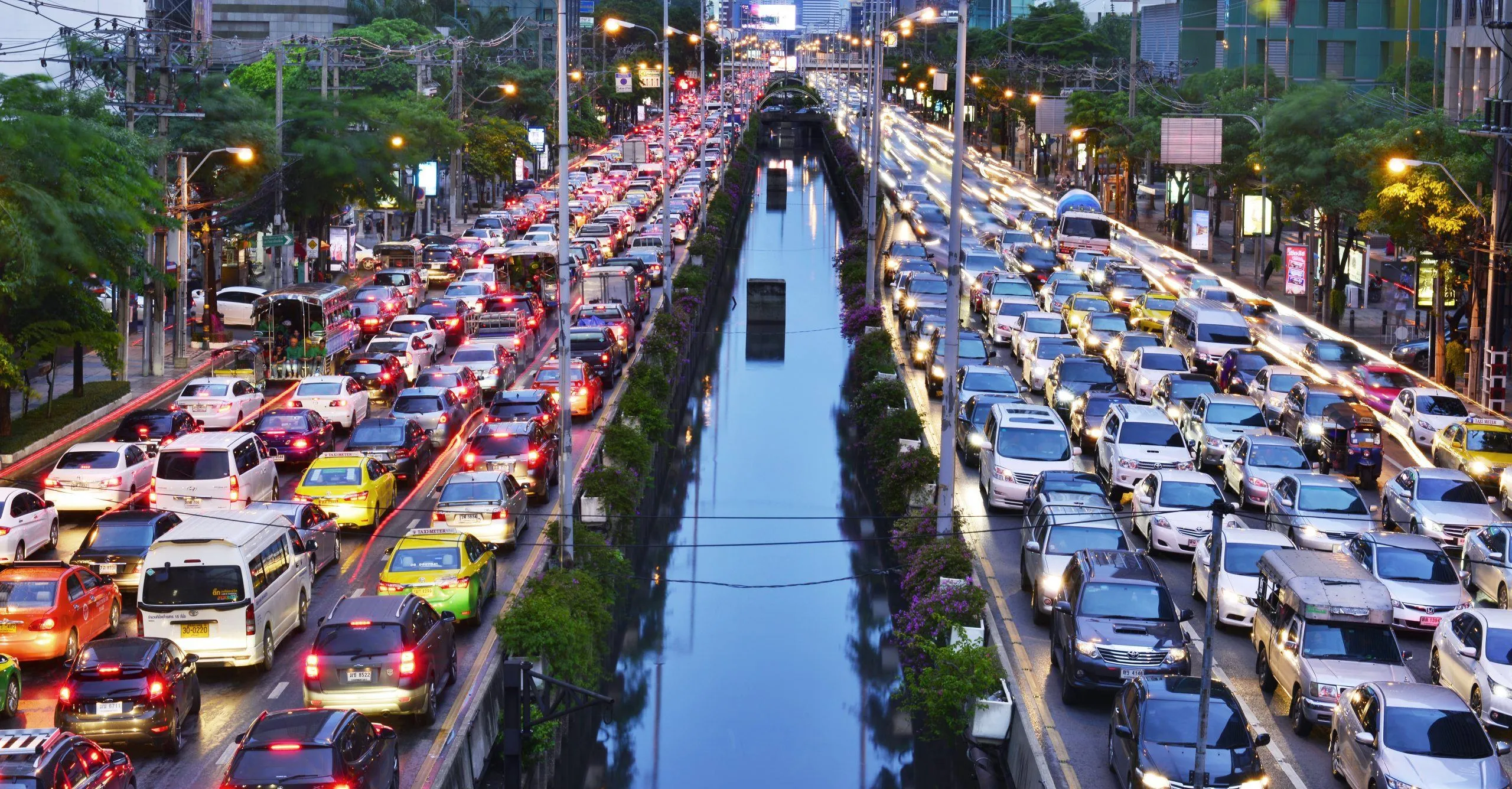
Land transport plays a foundational role in ASEAN’s economic integration and regional connectivity. It is the dominant mode of freight movement, accounting for over 64% of total domestic freight revenues as of 2019, and forms the backbone of cross-border supply chains linking ASEAN with key partners such as China, South Korea, and Japan. Regional policy frameworks – such as the ASEAN Strategic Transport Action Plan (2016–2025) – further emphasize developing robust transport infrastructure to support trade and mobility.
However, this economic reliance on land transport comes at a steep environmental cost. According to the International Energy Agency (IEA), the transport sector accounts for approximately 30% of energy-related CO₂ emissions across Southeast Asia, with road vehicles responsible for nearly 90% of these emissions. This makes road transport not only a source of economic strength but also a primary contributor to the region’s carbon footprint.[1]
As ASEAN nations race toward their net-zero targets, one reality stands out: decarbonizing the transport sector is not just an environmental imperative – it’s a societal one. Road transport alone contributes disproportionately to national emissions. In 2023, the share of road transport in total greenhouse gas emissions ranged from17% in Singapore to a staggering 42% in Lao PDR, with major economies such as Indonesia (28%), Malaysia (29%), Thailand (26%) and Philippines (26%) also bear a significant transport-driven emissions load.[1]This clearly signals that decarbonizing urban mobility must be a frontline priority – not a secondary concern.
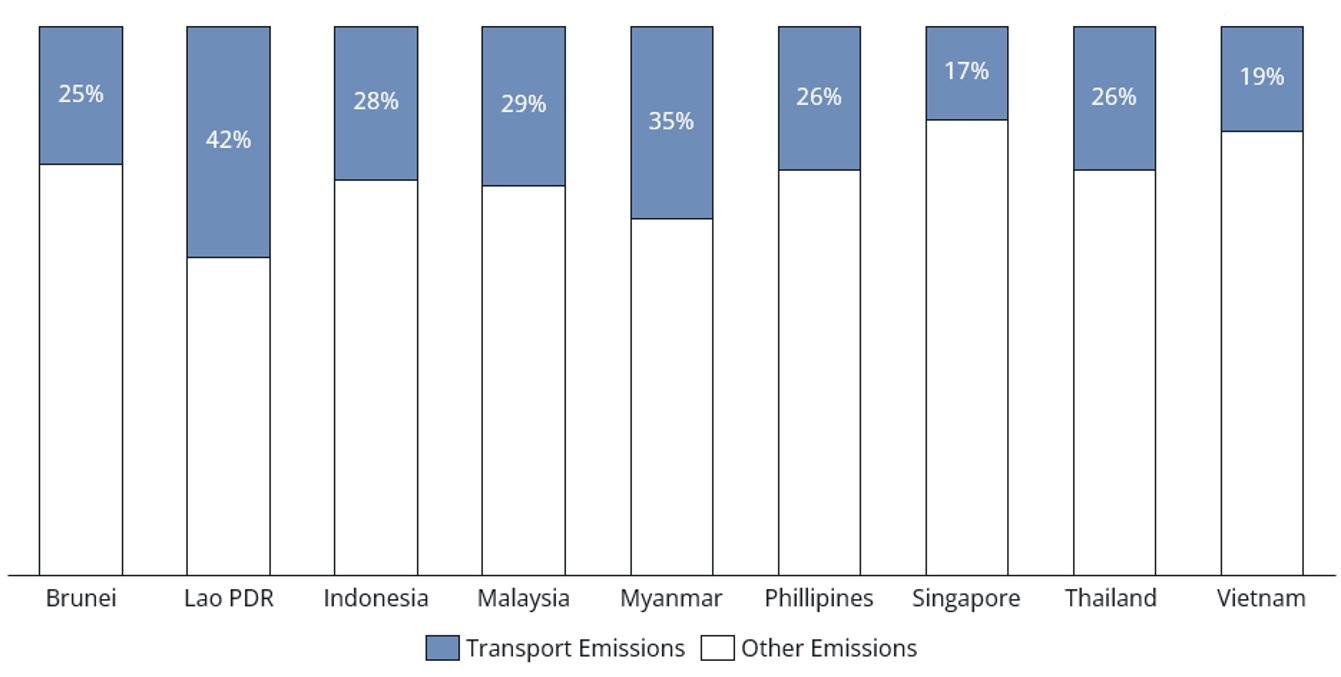
Figure 1: Road Transport Emissions as share of total emissions in ASEAN 2023[1]
But the case for transport decarbonization extends far beyond carbon reduction. It is also about saving lives. High concentrations of PM2.5 – a fine particulate pollutant largely caused by vehicle emissions – have silently reduced life expectancy across Southeast Asia. By permanently lowering PM2.5 levels from 2021 concentrations to the World Health Organization’s recommended guideline, countries can achieve extraordinary health gains. In Myanmar, such a reduction could increase life expectancy by 3 to 5 years. In parts of Laos and Thailand, a 2 to 3-year gain is possible. Decarbonizing transport is thus not only a climate mandate but also a public health intervention with tangible, measurable outcomes.[2]
The five pathways to urban transport decarbonization
To build truly sustainable transport ecosystems, ASEAN cities must pursue a multi-pronged strategy. There are five key pathways to urban transport decarbonization – each uniquely empowered by AI and digital technologies:
| 1. | Reduction through Active Mobility |
| Walking, cycling, and other active modes form the foundation of green mobility. Digital tools such as bike-sharing platforms, smart navigation, Mobility-as-a-Service (MaaS), and city planning through digital twins amplify this shift. | |
| 2. | Reduction through Sharing and Circularity |
| Public transport, ride-hailing, and car-sharing become more efficient when optimized via autonomous systems, demand prediction, and integrated digital platforms for shared mobility. | |
| 3. | Electrification |
| EV adoption must be supported by AI-enabled charging infrastructure, battery management, and mobile charging solutions to ensure scalability and convenience. | |
| 4. | Alternative Fuels |
| Hydrogen and biofuel systems benefit from AI’s ability to optimize production, storage, and distribution – making alternative fuels commercially and operationally viable. | |
| 5. | Urban Re-design |
| Reducing the need to travel by rethinking city layouts – with the help of digital twins, smart city tools, and e-services – can dramatically shrink transport emissions. |
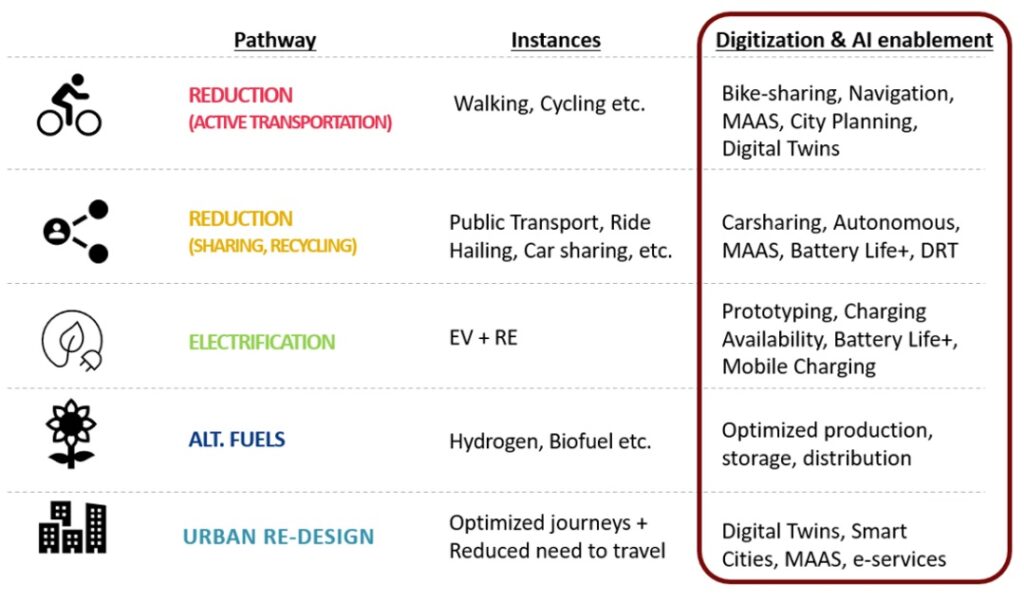
Figure 2: AI-enabled pathways to decarbonize urban transport
AI and Digital: The connective tissue of sustainable mobility
While the five pathways provide clear directions, real progress demands convergence – a seamless integration of multiple technologies, platforms, and data ecosystems. This is where AI and digital technologies become the unifying force.
Modern sustainable transport solutions rely on a complex interplay between:
1. Future mobility technologies such as multimodal autonomous fleet management, augmented/virtual reality (AR/VR), and metaverse-based modeling
15-Minute Cities: A model for the future
One of the most promising urban planning frameworks for sustainable, inclusive cities is the “15-minute city”[3]– a concept where residents can access work, education, healthcare, retail, and recreation within a 15-minute walk or ride from their homes. Cities like Paris and Melbourne are leading this transition, while Singapore and Dubai are beginning to adapt the model to their own urban realities.
What makes this model viable in dense, fast-growing ASEAN cities is the integration of AI and digital technologies, which serve as essential enablers at every stage of implementation.
| 1. | Smarter city planning |
| Digital tools help urban planners analyze real-time transport trends, commuting patterns, and land-use parameters to optimize where services, amenities, and transport infrastructure should be located. Digital twins– virtual replicas of urban environments – allow simulations that improve decision-making and planning precision | |
| 2. | Connected mobility infrastructure |
| AI and IoT technologies enable demand-responsive transport (DRT) systems, allowing users to efficiently access shared mobility services (like EV buggies or micro transit) efficiently based on live demand. Dynamic pricing algorithms optimize fares according to time, location, and congestion, enhancing system efficiency and revenue potential | |
| 3. | Public-private monetization models |
| With increased digital control over streets and transport access points, cities can generate revenue through curbside monetization– charging logistics providers, delivery vehicles, or ride-hailing services for prioritized access or parking. These mechanisms not only help regulate urban space usage but also unlock new sources of municipal finance to fund sustainable infrastructure | |
| 4. | Equity and access |
| Digital systems can also ensure that mobility is inclusive, addressing the needs of children, the elderly, and disadvantaged communities |
In essence, the 15-minute city is more than just a walkable neighborhood – it’s a digitally intelligent ecosystem, enabled by AI and connected infrastructure, offering cleaner air, reduced travel times, better quality of life, and stronger local economies.
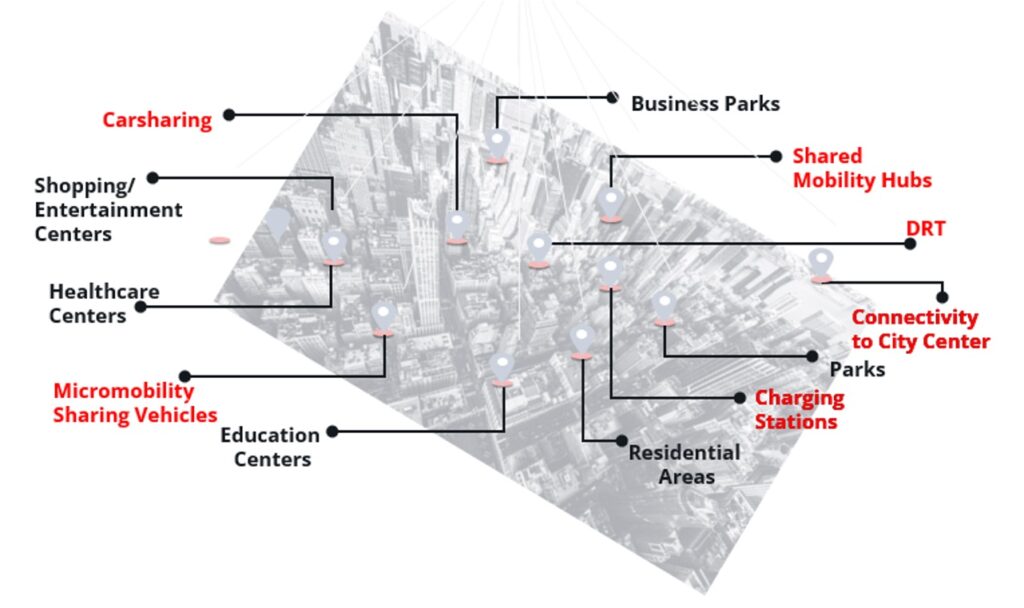
Figure 3: Digital and AI enablement of the 15-minute city
The Road Ahead: Opportunities and Bottlenecks
As ASEAN cities transition toward smart mobility, several challenges must be addressed:
- Technological gaps in localization and cybersecurity
- Infrastructure limitations, especially in EV charging and real-time data systems
- Policy hurdles, such as outdated licensing frameworks and absent carbon pricing
- Cultural resistance to AI and shared mobility
- Funding constraints, due to unclear ROI timelines
- Fragmented data systems, with poor standardization and reliability
Addressing these challenges will demand cross-sector collaboration among governments, private players, and advisory firms.
How IGPI Can Help
IGPI Singapore has been a trusted partner to mobility players navigating structural transformations, digital disruption, and business model innovation. Our extensive project experience spans:
- Strategic assessments on the impact of CASE (Connected, Autonomous, Shared, and Electric) on auto manufacturing globally
- Go-to-market strategies for battery and EV solutions across Asia
- Business model development for digital and financial solutions in mobility
- Digital transformation enablement, including driving school modernization and smart fleet management
- Investment support, with IGPI-managed funds backing innovative mobility players across India, Japan, and the Nordics
Our goal is to help clients design sustainable, AI-enabled, and commercially viable mobility strategies tailored to the ASEAN context.
Conclusion: The future is Smart, Shared, and Sustainable
The future of transport in ASEAN isn’t just electric – it’s intelligent. Digital transformation and AI are not mere support functions, they are strategic levers that determine how inclusive, clean, and resilient our cities become.
At IGPI, we believe that rethinking mobility through the lens of digital innovation can unlock economic opportunity, environmental health, and social equity – all at once.
==========
[References]
[1] EU-ASEAN Business Council (2024): Clean Journeys Ahead – Charting ASEAN’s path towards a decarbonized transport sector
[2] Energy Policy Institute at the University of Chicago. Air Quality Life Index (AQLI)
[3] The 15-Minute City: A Solution to Saving Our Time and Our Planet (by Carlos Moreno, published in 2024)